

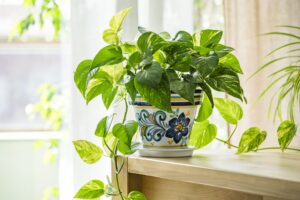
 Beyond their decorative appeal, houseplants may provide valuable insight into indoor air quality. In rental homes, poor ventilation, excess dust, and imbalanced humidity often affect apartment plant health before physical symptoms begin affecting residents. Understanding how plants respond to indoor conditions makes it easier to recognize indoor air quality concerns and take simple steps to improve the health and comfort of your rental home.
How Air Quality Impacts Indoor Plants
Indoor air quality directly impacts how well plants thrive inside apartments. In the same way that plants require the right amount of sunlight, good air quality contributes greatly to houseplant health. Conditions involving limited or recycled airflow and indoor pollutants can create stress for plants before humans experience discomfort. Since they are always exchanging air through their leaves, plants are sensitive to changes in their environment, allowing them to act as indicators of your indoor air quality.
Warning Signs That Reveal Poor Indoor Air Quality
Plants struggling to thrive often reflect deeper environmental conditions, including indoor air quality problems.
Humidity is key to plant health and indoor comfort. Air that is too dry can cause houseplant leaves to become crispy, while excessive moisture may lead to drooping. Because apartments experience humidity changes, plants act as an early alert system for indoor air quality.
Poor ventilation can cause air to become trapped inside apartment homes. Houseplants near windows or vents may show differences due to uneven indoor airflow, which can limit oxygen exchange, affecting both plant vitality and indoor air quality.
Dust buildup and pollutants contribute to a source of poor air quality. Indoor pollutants from cleaning products may build up, and indoor air may be unhealthy.
Easy Tips to Improve Indoor Air Quality and Plant Health
Improving your indoor air quality is often about consistency. Simple habits can improve the air quality in your home over time. For example:
- Open windows when weather allows
- Use fans to improve air circulation
- Avoid blocking vents with furniture
- Dust surfaces and plant leaves regularly
These small habits support healthier plants and a cleaner living space.
When Houseplant Issues Can Indicate Bigger Problems
When several houseplants show the same issues, it may reflect shared environmental stress. If they show the same symptoms despite proper care, it can suggest a larger issue with your home’s airflow or air quality. Persistently high indoor humidity is often involved. These may be signs that your HVAC system isn’t functioning properly. Communication with your landlord can help avoid long-term damage and improve your living conditions.
Healthy Plants Lead to Better Apartment Living
Houseplants are more than aesthetic—they are indicators of the health of your apartment’s environment. That’s why paying attention to apartment plant health is so important. When houseplants are struggling, it may be a sign to call in the experts. Reach out to Real Property Management Bluegrass. We offer quality rental properties designed for comfortable living. Check out your available rental listings to find your dream home.
This content is provided for general informational and educational purposes only and does not constitute financial, legal, tax, or investment advice. Readers should consult with licensed professionals regarding their specific circumstances.
We are pledged to the letter and spirit of U.S. policy for the achievement of equal housing opportunity throughout the Nation. See Equal Housing Opportunity Statement for more information.
